
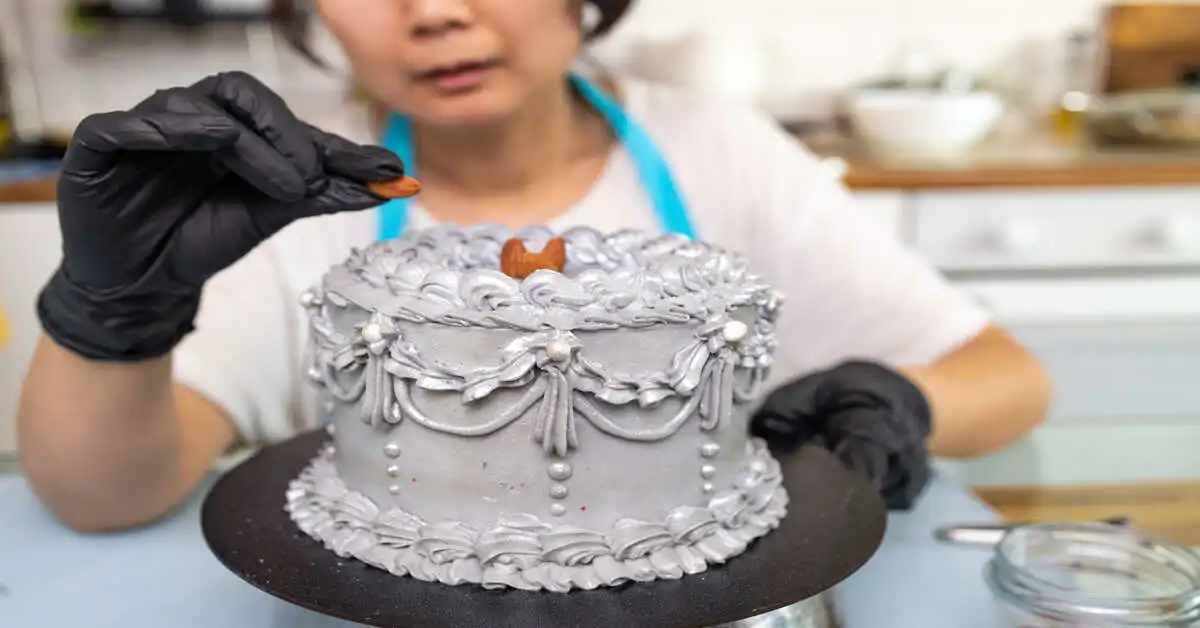
Mastering the cake decorating art transforms ordinary baked layers into breathtaking edible masterpieces that celebrate life’s most precious moments. This creative discipline blends culinary skill with artistic vision, requiring both technical precision and imaginative flair to tell visual stories through frosting, fondant, and edible paints. Whether creating elegant wedding centerpieces or whimsical birthday surprises, the true essence of cake decorating art lies in its ability to translate emotions, memories, and celebrations into delicious, visually stunning creations that captivate both the eyes and the palate.
Since home bakers have been trying to decorate their cakes with piping bags, all the way to the professionals, who create tiers of cake to show stoppers at all showings, cake decorating has become a worldwide trend. However, behind all those smoothly fondant surfaces, and all of those piped swirls, there is a compelling blend of science, technique, and creativity that transforms flour, eggs and sugar into something one can imagine upon.
This blog will talk about the history, method, equipment and contemporary developments that have turned the art of cake decorating into not only a hobby, but also an actual art form.
The Origins of Cake Decorating
Cake decorating art has a history that stretches back to Europe in the 17th century. Sugar was a costly luxury in those days, and cakes were decorated with great flourishes and icing which were an indication of prosperity and feast. Banquet and wedding desserts in France and England were made by the royal bakers in grandiose sugar sculptures and dishes covered with icing.
The development of refined sugar and baking technology in the 19th century increased the access of cake decorating. Baking powder was invented and temperature controlled ovens were introduced so that there could be more uniform cakes and this was a flawless foundation to be artistically decorated.
With time what started as a show of status has developed into an expressive culinary art. The art of cake decorating nowadays is a symbol of creativity and celebration and an expression of the self that is infused with deliciousness.
Understanding the Art in Cake Decorating
What then makes it an art to decorate cake? It is a design, texture and technique just as in painting or sculpture. However, cake decorating, unlike other kinds of art, does have one unique feature, which is temporary and edible.
1. Creativity Meets Culinary SkillAny cake decorating begins with an idea. Be it a cartoon or a flower design or just a bare design, the decorators integrate the artistic inspiration and their practical baking abilities to make that thought come to life. It takes an understanding and creativity to select the proper frosting consistency, color palette and structural stability.
2. Balance of Aesthetics and TasteA cake may be beautiful to look at but it must also be tasty. Cake decorating art makes sure that taste is supplemented by appearance. Whether it is the combination of flavors such as lemon sponge and raspberry buttercream or the effects of the crunchy praline and soft mousse layers, decorators create experiences that are pleasing to the eyes and mouth.
3. The Role of Precision and PatienceEvery detail, from perfectly piped rosettes to hand-painted fondant details, demands patience and practice. Like any art form, cake decorating requires time, repetition, and dedication to master.
Essential Tools of Cake Decorating Art
Before diving into techniques, it’s important to understand the basic tools that make cake decorating possible. These are the brushes, palettes, and chisels of the baking world.
- Turntable: Allows smooth rotation for even icing and decorating.
- Offset Spatula: Essential for spreading and smoothing frosting.
- Piping Bags and Tips: The heart of detailed decorating, allowing for countless patterns, flowers, and textures.
- Fondant Smoothers and Rollers: For achieving flawless, sleek finishes.
- Cake Leveler and Scraper: Ensures even layers and clean edges.
- Edible Paints, Dusts, and Airbrushes: Used to add shading, highlights, and realistic details.
With these tools, decorators can transform an ordinary cake into a breathtaking work of art.
Techniques That Define Cake Decorating Art
Cake decorating is a broad field, encompassing multiple techniques, each with its own history, skill level, and aesthetic appeal.
1. Buttercream Mastery
Buttercream is the most versatile medium for decorators. It’s easy to color, flavor, and shape. Techniques include:
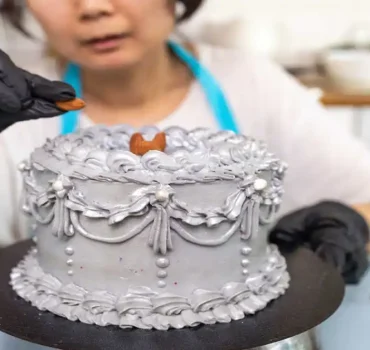
- Rosettes and Ruffles: Using star tips to pipe floral designs.
- Ombre Effects: Gradually blending shades for a beautiful gradient.
- Textured Finishes: Creating rustic or elegant textures with spatulas.
2. Fondant Sculpting
Fondant allows decorators to mold and sculpt designs with incredible precision. It’s often used for smooth, polished wedding cakes and themed creations. From 3D figurines to draped ribbons, fondant opens endless artistic possibilities.
3. Royal Icing Detailing
Royal icing dries hard, making it perfect for intricate lace, borders, and lettering. It’s a staple in traditional and royal-style cake decorating.
4. Airbrushing and Hand-Painting
Advanced decorators use airbrush machines or edible paints to create lifelike designs. From watercolor-style cakes to metallic finishes, this level of detail turns cakes into gallery-worthy pieces.
5. Modern Techniques
Recent innovations like mirror glazing, edible gold leaf, and isomalt art have pushed cake decorating into the realm of contemporary design. These techniques appeal to a new generation of decorators who blend tradition with innovation.
Color Theory and Design Principles in Cake Decorating
A successful cake design follows artistic principles similar to painting or graphic design. Color harmony, contrast, and composition play vital roles.
- Color Harmony: Understanding complementary and analogous colors helps create pleasing visuals.
- Texture and Contrast: Mixing smooth fondant with textured buttercream or edible glitter adds depth.
- Symmetry and Balance: The layout and placement of elements must feel balanced to the eye.
- Proportion: Ensuring the size of decorations complements the cake’s overall scale is crucial.
These artistic principles turn a well-decorated cake into a visually compelling masterpiece.
The Science Behind the Art
While cake decorating feels creative, it also relies on the science of baking. A cake must have the right structure to support multiple layers, hold decorations, and remain moist and stable.
- Structure: A sturdy sponge (like butter cake or pound cake) forms the best foundation for heavy decorations.
- Temperature Control: Fondant and buttercream react differently to heat and humidity, so decorators must adjust based on conditions.
- Chemical Reactions: Ingredients like sugar and egg whites affect texture and icing stability.
Understanding this balance of art and science allows decorators to work confidently with different mediums and environments.
Cultural and Global Influence on Cake Decorating Art
Cake decorating styles vary around the world, reflecting local traditions and tastes.
- Western Styles: Often focus on layered cakes with buttercream, fondant, and sugar flowers.
- Asian Influence: Japanese and Korean decorators emphasize minimalism, pastel tones, and whipped cream finishes.
- Middle Eastern Artistry: Often features intricate piping, gold accents, and floral motifs inspired by traditional patterns.
Each culture adds unique flair to the global tapestry of cake decorating art.
Learning Cake Decorating: From Hobby to Profession
The accessibility of tutorials, online classes, and social media has revolutionized how people learn cake decorating. Platforms like YouTube and Instagram inspire millions to try new techniques and share their creations.
1. Start Simple: Begin with basic buttercream and piping.2. Practice Consistently: Repetition builds precision.3. Study Design Principles: Learn color and texture balance.4. Experiment Freely: Combine flavors and artistic ideas.5. Invest in Quality Tools: Good equipment makes learning smoother.
Many decorators eventually turn their hobby into a business, offering custom cakes for events, teaching classes, or competing professionally.
Modern Trends in Cake Decorating Art
The world of cake decorating evolves constantly, influenced by design trends, pop culture, and technology.
- Minimalist Designs: Simple, elegant cakes with clean lines and subtle details.
- Textured Buttercream: Organic, painterly textures inspired by art canvases.
- Geode and Marble Cakes: Using edible crystals and marbled fondant for natural aesthetics.
- Floral and Botanical Themes: Fresh flowers, leaves, and edible greenery add elegance.
- Personalization: Monograms, custom toppers, and thematic storytelling.
These trends show that cake decorating continues to blend creativity, culture, and craftsmanship.
The Emotional Connection of Cake Decorating
Cake decorating art is not only aesthetic. Birthdays, weddings, graduations, and others are milestones marked by cakes, which have a sentimental value. When one puts decorations on a cake, he or she is not creating dessert, one is creating memories.
A well-decorated cake tells a story: about a couple in love, a child and his favorite character or a family together. That is what makes cake decorating so special it relates art with human happiness.
Conclusion
Cake decorating art is a source of creativity and inspiration to bakers and artists across the world since starting with simple sponges to tiered masterpieces. It is a developing type of expression which is a combination of science, craft and imagination.
It is in every swirl of frosting, every brush of color and every hand-made sugar flower that the creativity and care of the baker goes. You may be an amateur learning the ins and outs of piping, or you may be a professional with a show cake on your mind: either way, always keep in mind that it is a plain sheet of paper that can be turned into something truly incredible.