
Mastering flavor pairing techniques is the secret weapon that elevates home cooking to restaurant-quality artistry. These methods blend culinary science with creative intuition, helping you understand why certain ingredients create magical harmonies while others clash. Whether you’re balancing sweet and savory or layering complementary aromatics, these techniques provide a framework for consistently delicious results.
Whether you are a budding chef or stay at home cook or a food enthusiast, knowing why some flavors go well together and others go against each other can entirely revolutionize your cooking affair. Let’s dive deep into how flavor pairing techniques elevate ordinary dishes into extraordinary culinary experiences.
1. What Are Flavor Pairing Techniques?
Fundamentally, flavor pairing consists of determining which ingredients are complementary and which parts of the flavor profile and sensory balance they play roles in.
Volatile molecules that make up the aroma and flavor of each food are hundreds in number. Foods that have similar compounds tend to have a taste that is in agreement with each other.
For example:
- Blue cheese and chocolate contain methyl ketones, which give chocolate a rich savoury flavour.
- Strawberries and balsamic vinegar are substances that have esters that contribute to sweetness and acidity.
This scientific unity is the basis of the flavor pairing methods, the combination of reason with intuition to make the art of culinary predictable and even magic.
2. The Science Behind the Magic
Flavor is not just taste, it’s a full-body experience involving smell, texture, and even memory. There are five primary tastes recognized by our palate:
- Sweet – like sugar, honey, or ripe fruit
- Sour – citrus, vinegar, or fermented foods
- Salty – sea salt, soy sauce, or cured meats
- Bitter – coffee, cocoa, or leafy greens
- Umami – mushrooms, cheese, or broth
The technique of pairing great flavors is focused on equalizing these sensations so that there is no one taste that dominates the dish. As an example, bitterness can be countered with sweetness, richness can be pierced by acidity, and salt can make everything it touches better.
When this balance is mastered, cooking becomes a kind of intuitive art, with each bite being purposeful and multi-layered.
3. The Role of Aromatics and Shared Compounds
Our sense of smell is responsible for 80% of what we perceive as flavor. This is why aromatics are at the heart of flavor pairing techniques.
Foods that share aroma compounds tend to pair beautifully, a principle that modern gastronomy has embraced through molecular studies.
Some examples:
- Tomato and basil share eugenol, creating that classic Italian comfort.
- White chocolate and caviar share trimethylamine, producing an unexpected harmony.
- Coffee and orange both contain aldehydes, explaining their refreshing compatibility.
These combinations aren’t random; they’re built on chemistry that connects flavors at the molecular level.
4. Cultural Wisdom in Flavor Pairing
Long before science explained it, traditional cuisines around the world perfected flavor pairing techniques through centuries of experimentation.
- Indian cuisine has conflicting tastes: spicy, sour, sweet, to produce a profoundness.
- Japanese cuisine focuses on umami harmony, combining soy sauce, miso, and seaweed.
- French cuisine emphasizes balance and layering through herbs, wine reductions, and butter bases.
In both cultures there comes their philosophy of pairing; it can be balance, contrast, complement and through this, it can be seen that flavor pairing is not only an art form, but also a language.
5. The Principle of Contrast and Complement
The key to great flavor pairing techniques lies in understanding two guiding principles:
Complementary Pairing:
When two ingredients share similar characteristics.Examples:
- Apple + Cinnamon
- Tomato + Mozzarella
Contrasting Pairing:
When two opposing flavors enhance each other’s intensity.Examples:
- Salted Caramel (sweet + salty)
- Mango + Chili (sweet + spicy)
- Blue Cheese + Pear (pungent + sweet)
Mastering when to complement and when to contrast allows you to control the emotional rhythm of a dish, from the first bite to the final memory.
6. Texture: The Unsung Hero of Flavor Pairing
Although taste takes the center stage, texture provides fulfillment. Smooth soup with crispy top, smooth custard with rough crust, such opposites bring out active sensations.
Flavor pairing techniques often extend to textures: balancing smooth with crunchy, dense with light, or dry with juicy.
Try these simple pairings:
- Creamy avocado + crispy toast
- Juicy tomato + chewy mozzarella
- Velvety ganache + brittle praline
Texture, like taste, tells a story, and when aligned with flavor, it becomes irresistible.
7. Seasonality and Freshness Matter
The finest flavor matching methods cannot work with poor quality ingredients. The issue of freshness influences the aromas and natural sugars behavior in a direct way.
To give an example, a tomato that is in the summer season and is ripe with sweetness will be well matched with basil and olive oil whereas a tomato that is out of season will require additional acid or seasoning to supplement the shortcomings.
Sustainability of cooking does not only make sense, but is also important in balance of flavors and genuineness. The earth itself provides us with clues on what should be united with one another at any particular time.
8. Building Flavor from the Ground Up
If you’re just starting to explore flavor pairing techniques, follow this simple process:
- Start with a base flavor (like chicken, chocolate, or lemon).
- Identify its dominant taste — sweet, savory, bitter, etc.
- Add complementary notes that share or balance those elements.
- Layer aromatics — herbs, spices, citrus zest, or infused oils.
- Finish with texture — crunch, creaminess, or acidity.
For example, building a dish around chocolate could lead you to pair it with espresso (bitterness), orange zest (acidity), and sea salt (contrast). The result? A symphony of balance.
9. Modern Tools: Flavor Mapping and Databases
Today, chefs and researchers use digital databases like Foodpairing.com and The Flavor Bible to analyze shared compounds among thousands of ingredients.
These resources scientifically map relationships between foods, showing unexpected matches like:
- Strawberry + Tomato
- Vanilla + Seafood
- Bacon + Maple Syrup
Technology has turned flavor pairing techniques into a precise science, helping chefs push creative boundaries without losing harmony.
10. Experimentation: The Heart of Flavor Innovation
Proper skill in flavor pairing technology is achieved through practice. There is no need to fear errors, and that is where things are found out.
Begin by trying simple combinations in your kitchen:
- Add fruits (such as thyme and peaches).
- Experiment with desserts (such as sea salt brownies).
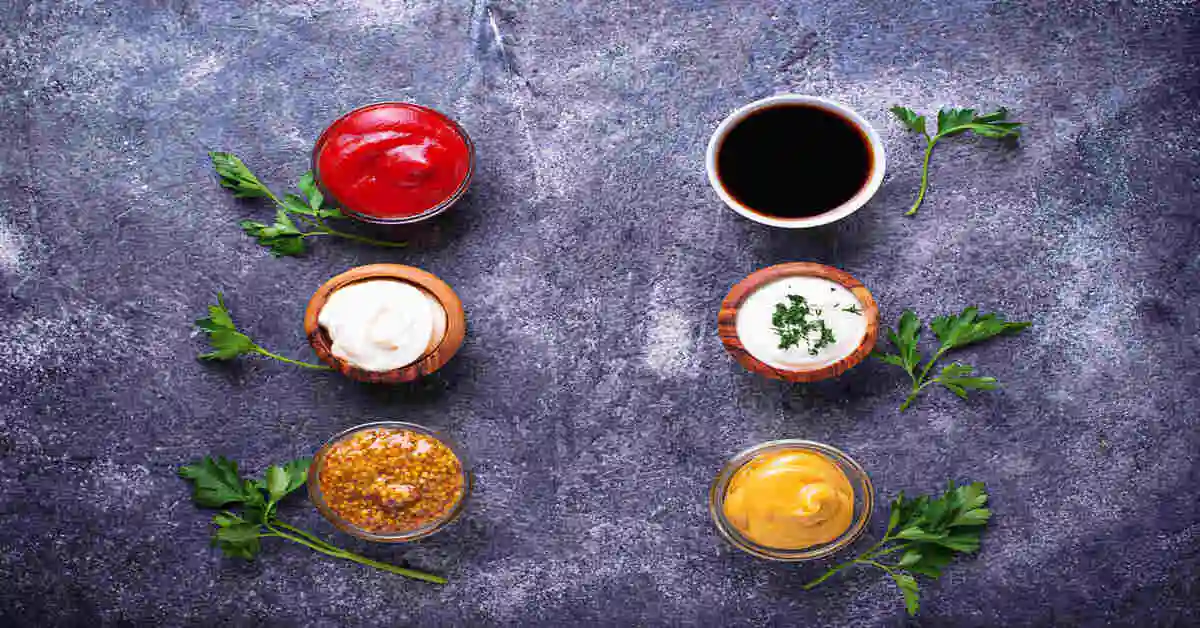
- Combine savory and sweet sauces (such as soy-honey glaze).
The greater the number of tests and taste the better your instincts. Cooking is no longer about recipes, it is about writing tastes like music.
11. The Emotional Power of Flavor
Food does not only quench hunger but it also stimulates feelings, recollection and nostalgia. When the flavors match each other, they will be more in touch with our senses.
This is why the methods of flavor matching are not only the means of cooking, but also the means of empathy. A meal prepared with love can bring one to his childhood, culture, or some other treasured experience, all via the symphony of taste. In such a manner, cooking becomes narration.
FAQs
1. What’s the easiest way to start learning flavor pairing techniques?Begin by studying your favorite dishes and identifying why certain ingredients work well together. Then, try small experiments, like adding a new spice or acid element to explore balance and contrast.
2. Can flavor pairing work across cuisines?Absolutely. In fact, fusion cooking relies on intercultural combinations of ingredients, such as miso in pasta dishes or chili and chocolate. Only make sure that you make the intensity balanced to avoid having one flavor over the other.
3. Are flavor pairings purely scientific?No, they blend science and creativity. While shared compounds can predict harmony, human emotion, culture, and sensory experience ultimately define success.
Final Thoughts
Learning how to pair flavors will make cooking art instead of a normal thing to do. It educates us that food is not just food but relationship, reminiscence and behavior.
When you know how to mix flavors, you are not following recipes anymore, you are writing taste. Something starts to make sense to you, as to why lemon lightens, why salt darkens, and why contrast excites.
Each meal is a creative and mindful experience, reminding of the fact that food is science and soul. Then when you are in your kitchen next time, do not cook alone, compose. Since the concept of flavor pairing is not only food; it is about creating memories that will be remembered even after the last bite.