
Baking is an art and science. Although creativity is crucial in coming up with new and different recipes, accuracy is necessary in order to attain uniform and tasty outcomes. Being a beginner baker or a pastry professional, you can improve your bakery by knowing how to measure and time properly. This blog will discuss the fundamentals of measuring ingredients, time managing baking, and making sure that your baked food is perfect each and every time.
The Significance of Accuracy in Baking
Baking is not some cooking; it can have a more precise method. The following are some of the reasons why precision is imperative:
- Chemical Reactions: Baking is dependent on chemical reactions between ingredients. Proper measurements will make sure that these reactions happen as planned giving the desired texture and taste.
- Consistency: Accurate measurements result in consistent measurements. Baking a cake or bread, precision means that every time you bake, it will have the same results and can be counted upon to bake it equally.
- Time Management: It is a good idea to know the precise time you need to cook or rest dough so that you will not overcook or undercook it and end up ruining what you have done.
Interaction of Ingredients: Ingredients balance may influence a final product. E.g., excess flour will result in a heavy cake whereas insufficient amount will lead to a fallen cake.
Critical Methods of Precise Measurement
1. Use a Kitchen Scale
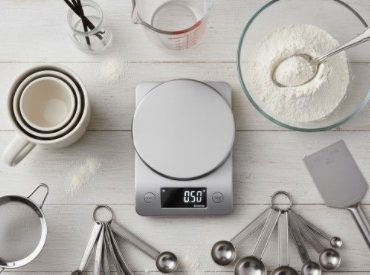
A digital kitchen scale is one of the most appropriate investments that a baker can make. The best measurements are given by weighing ingredients which are mostly accurate when dealing with dry ingredients such as flour and sugar. The following is an effective way of a kitchen scale:
Place on the Scale: Zero the Scale Place your mixing bowl on the scale and press the tare button. This gives you the opportunity to quantify only the items that you put in.
Baking in Grams: When baking, it is usually better to weigh the ingredients in grams, not in cups. To illustrate, an example of 1 cup of flour will be weighing between 120-150 grams based on the manner of packing.
2. Proper Measuring Cups and Spoons
When applying measuring cups and spoons, make sure they are the appropriate ones that apply to dry and liquid ingredients:
Dry Measuring Cups: These are utilized in such ingredients as flour, sugar and oats. Add water and smooth it out using a straight edge.
Liquid Measuring Cups: These are of a pouring spout and most of them have marks of measurement on the side. Measurement should always be done at eye level.
3. Spoon and Level of Dry Ingredients
In the measurement of dry ingredients, the ingredient should be measured using the spoon into the measuring cup instead of scraping as you would with the container. Scooping may condense the ingredient and lead to the consumption of more than one would want. When full, fill it with a straight edge so as to smooth off the excess.
4. Pack When Necessary
Measuring the ingredients to follow in some recipes like brown sugar should be packed in the measuring cup so that you are getting the appropriate quantity. Roll the sugar using the back part of a spoon then level it.
5. Object Sticky Ingredients Are Measured Carefully
When dealing with sticky substances such as honey or molasses, be sure to spray the measuring cup with cooking spray or you will never get the full amount. This assists in getting the ingredient to slide smoothly and makes sure that you do not spill anything on the cup.
The Secret of Baking Perfectionally
1. Preheat Your Oven
Never put your baked goods into the oven without preheating it. This provides even baking and contributes towards the required texture. An oven thermometer would be useful in ensuring your oven is heated appropriately.
2. Use a Timer
Buy a good quality kitchen timer that will help to monitor the baking time. The use of a timer also prevents over-baking besides enabling a person to attend to other activities without having to keep an eye on the clock.
3. Know Your Oven
Every oven is different. There are those that can be hotspotted or fail to become evenly heated. You have to know the behaviour of your oven. Remember to turn your trays half way through baking so that they cook evenly.
4. Adhere to Recipe Times as Instructions
Although the recipes will give time to bake, it is usually an estimate. Baking time depends on factors such as the oven calibration, temperature of the ingredient and even the humidity. Always test to ascertain that it has cooked a few minutes ahead of the timer.
5. Use a Toothpick Test
In order to determine whether cakes and muffins are cooked, plunge a toothpick in the middle. When it comes out and has a few crumbs, your baked goods are done. They will require more time in case it is wet.
Other Tips about Precision Baking
1. Keep Ingredient Temperature
Certain recipes require that certain ingredients such as butter or eggs should be at room temperature. This is attributed to the fact that they can be combined with other ingredients more easily resulting in a better final product. Earlier, remove these items out of the fridge so that they can be at the right temperature when they are required.
2. Keep an Eye on Humidity
The humidity may influence the behavior of ingredients. Flour could be exposed to humid conditions, consequences of which are false measurements. You can use a little bit less flour or just change your recipe.
3. Practice Makes Perfect
Baking is an art that becomes perfected over time. The more you practice baking the more you will be able to measure and time in an intuitive way. Continue testing and improving on your experience of baking.
Conclusion
Accurate baking is a key to the same and tasty outcomes. With the right tools on how to measure and time the baking properly, it is possible to take your baking skills to the next level and make tasty desserts each time. Always remember to invest in the appropriate tools, familiarize yourself with ingredients and recipes. Through trial and error you will learn to be more confident and capable in baking and will be able to handle any recipe with precision.